 📸 Photo
Photo: Public domain · Public domain · Wikimedia Commons Source
Cochineal
Dactylopius coccus (Cochineal · コチニールカイガラムシ)
Not Evaluated (NE) on the IUCN Red List yet.
💡 Everyday Comparisons for Size, Mass & Speed
- 💡 A female's maximum length of 5 mm is about one-fourth the diameter of a Korean 10-won coin (18 mm) (genus representative value, Comparison).
- 💡 Because its body is the natural source of bright red carmine dye, it has been cultivated for hundreds of years (University of California UC IPM).
Reference standards: coach bus ~12 m, mid-size car ~4.9 m, compact car ~1 t, basketball hoop 3.05 m, credit card 8.56 cm.
📖 1. Overview
The cochineal is a scale insect that lives attached to cactus pads and yields a vivid red dye (carmine) from its body.
🦴 2. Anatomy & Morphology
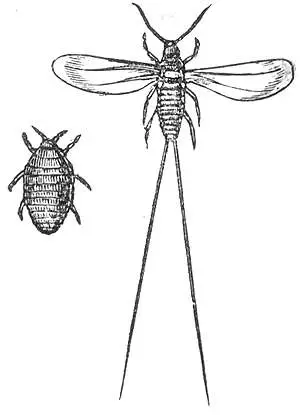
Full-grown females are oval with wrinkled bodies and no distinct legs; their bodies are deep red but covered with white wax. Males have a single pair of wings and are fragile.
🔍 3. Ecology & Behavior
Once settled, a female stays in the same spot for life, sucking cactus sap. During her lifespan of about 2 months she lays hundreds of eggs, and in warm conditions it takes about 3 weeks from egg to reproductive adult.
🇰🇷 4. Connection to Korea
No direct record connecting this species to Korea has been found.
📚 Sources & References
- • IUCN Red List: not evaluated (NE) — cross-checked with the Wikidata conservation-status entry
- • catalogueoflife.org — 33W87
- • wikidata.org — Q244274
- • commons.wikimedia.org — File:Cochineal drawing.jpg
- • ipm.ucanr.edu — cochineal-scales-of-prickly-pear-cacti
- • Silhouette: PhyloPic — Edwin Price · CC BY 4.0
Recorded dimensions are widely cited representative estimates from public literature and may vary by study or specimen.